
Fundraising Ideas & Auction Planning | 6 April 2026
How to Use Past Events to Create Fundraising Materials
A practical system for turning photos stories and numbers into your next campaign
7 minute read

You pulled off the gala. The auction ran smoothly. The paddle raise hit its goal. Everyone went home tired but proud. Then life happened.
Photos stayed on someone’s phone. The emcee’s speech never got transcribed. Your final numbers were shared at one board meeting and quietly filed away. By the time you start planning the next event, you’re staring at a blank page again.
Here’s the good news. You are not starting from scratch. You are sitting on some of the most powerful fundraising materials you will ever create. You just need a simple way to find them, shape them, and reuse them.
This guide walks you through that system. No complicated strategy. No marketing jargon. Just a practical way to turn last year’s event content into this year’s momentum. Read on to learn more about using past fundraising events to create future fundraising materials.
Past events are your easiest starting point
Every fundraising event creates energy. It also creates proof.
Proof that people showed up. Proof that donors care. Proof that your mission moves hearts and opens wallets. That proof is far more persuasive than any polished marketing campaign dreamed up in isolation.
If you are a volunteer or part-time organizer, this matters. You do not have hours to invent fresh stories every season. You need fundraising materials that already exist. Real photos. Real quotes. Real numbers.
Past events give you all three.
Instead of thinking of your event as a one-night success, start viewing it as a year-long content engine. The gala is not just an event. It is the raw material for emails, sponsor proposals, social posts, impact updates, and next year’s ticket launch.
That shift alone reduces pressure. You are not creating from nothing. You are building on what already worked.
What counts as fundraising materials
Before you reuse anything, it helps to define what you are looking for. Fundraising materials are any assets you use to encourage support. That includes:
- Ticket pages
- Sponsorship decks
- Donation appeals
- Social media posts
- Event landing pages
- Impact reports
- Thank you emails
Your fundraising marketing materials are simply the outward-facing pieces that promote your cause and invite action.
Now think about event content. That includes:
- Photos of the room, the crowd, and the key moments
- Short video clips of bidding, speeches, and celebration
- Testimonials from donors, volunteers, and beneficiaries
- Final numbers and milestones
- Screenshots of your auction catalog or bidding excitement
- Quotes from your emcee
Every one of those items can become fundraising materials with minimal editing. The magic is not in reinventing them. It is in repackaging them with intention.
Start with a one hour content audit
Most organizations already have more usable material than they realize. Set a timer for one hour. Gather your committee or marketing lead and pull together everything from the last event. Look in shared drives. Ask your photographer for a full folder. Search your email for “event recap.” Scroll your event hashtag.
As you review, sort your findings into four simple buckets:
- Visuals
- Quotes
- Impact and outcomes
- Performance data
Visuals are your photos and videos. Quotes are anything someone said that reflects emotion or impact. Impact and outcomes are the tangible results of funds raised. Performance data includes attendance, dollars raised, average gift size, and bidding trends.
Do not aim for perfection. Aim for usability.
A candid photo of guests raising paddles is better than a generic stock image. A slightly imperfect video clip of applause feels more authentic than a staged promo.
This audit gives you a starting library for your next round of fundraising materials.
Capture smarter at your next event

Even if your last event did not yield everything you wanted, your next one can. You do not need a full production team. You need intention.
Assign one person whose job is to gather event content. If possible, that is their only responsibility that evening. If you cannot hire a photographer, designate a volunteer with a decent smartphone.
Focus on a short shot list. Capture:
- A wide photo of the room
- Close ups of guests interacting
- A clear moment during the paddle raise
- A sponsor logo in action
- A happy volunteer
- A brief video of the crowd reacting to a big win
For testimonials, keep it simple. Ask one question: “What made tonight meaningful for you?” Record short answers on video or capture a written quote on a clipboard.
That one question can generate weeks of future fundraising marketing materials.
Turn numbers into stories people understand
Your event report likely includes totals. Total dollars raised. Total attendees. Total auction items sold. Those numbers matter. But they become powerful fundraising materials when translated into outcomes.
For example, instead of saying “We raised $85,000,” you might say:
- $85,000 funds 17 full scholarships
- $85,000 provides 4,200 meals
- $85,000 covers six months of program supplies
That translation answers the question every donor silently asks. What difference did this make?
If you use Silent Auction Pro year after year, you also have trend data. Maybe attendance increased by 15 percent. Maybe the average gift size rose from $150 to $175. Maybe your paddle raise participation improved after introducing mobile bidding.
Those year over year comparisons show progress. They give your board confidence. They give sponsors proof of growth. They give returning donors a sense that they are part of something building momentum.
Instead of guessing at goals, you can set realistic targets grounded in real data.
Build simple stories from real moments
You do not need a dramatic narrative arc. You need clarity. A strong story pulled from past event content usually follows this pattern: the need, the response, the result, and the next step.
For example, your emcee might have shared that local families lacked access to after school tutoring. Your paddle raise invited guests to fund scholarships. The room responded with enthusiasm. The result was 30 new students served.
That sequence becomes a powerful email. It becomes a social post. It becomes a paragraph in your sponsorship deck.
There are three types of stories that work especially well:
- Beneficiary stories that show personal impact
- Volunteer stories that show community commitment
- Milestone stories that show growth over time
All three are often hiding in your event recap notes. Listen to your own event recordings. Revisit your program script. Scan your thank you emails. You will find lines worth repeating.
Repurpose once, publish many times
A common mistake is thinking every channel needs brand new content. It does not. One well written recap can fuel an entire month of fundraising materials.
Start with a core event summary that includes photos, key numbers, and one short story. From there, you can break it apart.
The photo of the packed ballroom becomes a ticket launch teaser for next year. The beneficiary quote becomes a stand alone social post. The final fundraising total becomes a graphic for your website homepage. The sponsor highlight becomes a slide in your next pitch meeting.
This approach saves time and keeps messaging consistent. Your fundraising marketing materials begin to feel connected rather than scattered.
Consistency builds trust. Trust builds participation.
Personalize outreach using past participation

Past events tell you who engaged and how. You likely have first time attendees, consistent supporters, major donors, casual bidders, and dedicated volunteers. Each group responds to slightly different messages.
For example, a returning guest might appreciate hearing, “Last year you helped us fund five new laptops.” A first time attendee might need more background about your mission. A lapsed guest might respond, “We missed you at this year’s event.”
Silent Auction Pro tracks bidder history, ticket purchases, and donation patterns. That data helps you reference the past without sounding intrusive. Instead of sending one generic appeal, you can adapt your fundraising materials to reflect actual involvement.
Suggested donation amounts can also reflect real behavior. If someone typically gives $100, asking for $125 feels reasonable. Asking for $1,000 feels disconnected.
Personalization does not require complicated software. It requires paying attention to the analytics and patterns you already have.
Use last year’s proof to attract sponsors
Sponsors are not just buying logo placement. They are buying visibility and alignment. Your past event content provides evidence of both.
Photos showing sponsor signage in a full room demonstrate exposure. Quotes from sponsor representatives show satisfaction. Attendance numbers and demographic breakdowns show reach.
Build a simple sponsor recap package from last year. Include a few strong images, key metrics, and one short testimonial. Keep it concise and visual.
Then use that as the foundation for your next sponsorship proposal.
You are no longer asking sponsors to take a leap of faith. You are showing them what partnership looks like in action. That clarity makes decisions easier on their end.
Create an organized content library
The biggest risk is losing what you worked so hard to capture.
After each event, create a clearly labeled folder structure. For example:
- 2025 gala photos
- 2025 gala testimonials
- 2025 gala reports
- 2025 gala sponsor assets
Name files with enough detail to make them searchable. Avoid vague titles like “IMG_2045.” Use something like “2025_gala_paddle_raise_wide_shot.”
Back up everything in a shared drive accessible to future committee members. Volunteer turnover is common. Your content should not disappear when leadership changes.
This small step ensures your fundraising materials grow stronger every year instead of restarting from zero.
A repeatable timeline for less stress
To keep the process manageable, follow a simple rhythm each year. Before the event, decide what you want to capture. Assign responsibility. Create folders in advance.
During the event, gather photos, short clips, and quick quotes. Make a note of standout moments.
Within a week after the event, pull final reports from Silent Auction Pro. Select your strongest visuals. Draft one core recap. Translate totals into impact statements.
Over the next 30 days, repurpose that recap into emails, social posts, and sponsor updates. Keep sharing momentum while excitement is fresh.
By the time planning begins for the next event, your fundraising marketing materials are already half done.
Avoid common pitfalls
A few traps can derail the process.
Trying to use every single photo leads to clutter. Choose your strongest images.
Waiting too long to collect quotes results in vague responses. Capture them on the spot.
Sharing numbers without explaining impact misses an opportunity to connect. Always translate totals into outcomes.
Ignoring behind the scenes volunteers overlooks a powerful story of dedication. Include them in your content.
Small adjustments like these make your fundraising materials sharper and more compelling.
Bring it together for stronger events each year

Past events are proof of impact, proof of community, and proof that your mission resonates. When you intentionally capture event content and organize it well, you reduce stress for your team. You gain a steady supply of authentic fundraising materials. You stop scrambling for last minute ideas.
Instead, you build on what already worked.
Silent Auction Pro supports that process. With built in reporting, donor history tracking, communications tools, and event analytics, you have access to the data and engagement patterns that make future planning smarter.
If you would like to see how the platform can help you capture and reuse your event content more effectively, request a free demo. It is a low pressure way to explore tools that could save your committee time and help your next fundraiser start with a strong foundation.
You already did the hard part by hosting the event. Now let those results keep working for you.
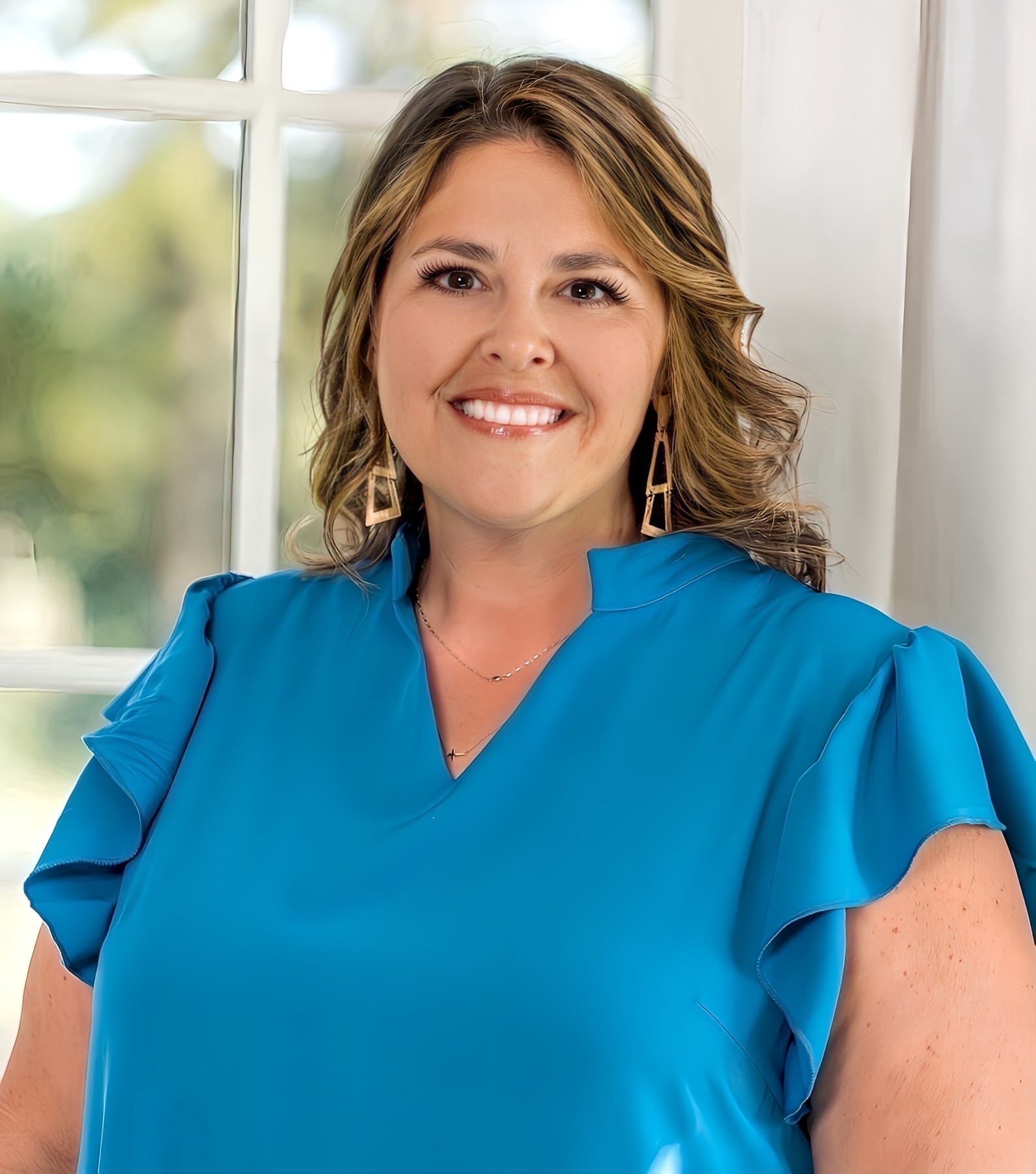
Tricia Harris | Customer Engagement & Retention and Marketing Manager | Mississippi
My guiding principle has always been simple: maximize profits while cutting costs in every way possible. I’ve built a reputation for being resourceful, creative, and committed to helping organizations succeed—especially when resources are limited. Learn more about Tricia here.