
Charity Auctions | 12 October 2026
How to Set Fund-a-Need Ask Levels: The Ultimate Strategey
An auctioneer's playbook for building a paddle raise ladder that gets the first paddle up fast.
XX minute read

The auctioneer tells the room about the new van your food pantry needs and calls out the first number. In a good room, paddles fly up at every table. In a tough one, nobody moves, and the biggest giving moment of your night stalls before it starts.
That moment is the fund-a-need, also called a paddle raise, when guests give straight to your cause by raising their bid paddles at set dollar amounts. Which of these two rooms you get depends on the ask levels (ask ladder) and the list of amounts the auctioneer calls. Unfortunately, most organizations just guess at it, leaving money on the table.
At Silent Auction Pro, we've spent more than 20 years helping schools, churches, clubs, and charities run their events, and the groups that plan their ladder raise more and stress less. For this guide, we asked Seth Weiner, a benefit auctioneer and fundraising producer known as Your Rocktioneer, how he builds ladders with his own clients. You'll get his real numbers, his seeding plan, and the exact lines he uses from the stage.
What is a fund-a-need?
A fund-a-need is a live giving moment where guests donate toward a specific cause instead of bidding on an item. It usually happens during or right after the live auction. The auctioneer or emcee describes a need, like a new van for a food pantry or a year of reading tutors for a school, and then calls out set dollar amounts. Guests raise their bid paddles to pledge at the level that fits them.
You will also hear it called a paddle raise, a special appeal, or a paddle up. All four names describe the same thing. Nobody takes home a prize, and every pledge is a straight donation to the cause. That's why a fund-a-need often brings in the largest single gifts of the evening.
Many groups tie each level to something real. "$2,500 covers a full scholarship,' or "$500 buys a month of groceries for a family." Those lines give guests a picture of their gift at work, and the ladder gives them a clear place to say yes. Our paddle raise and fund-a-need tools handle the tracking, so volunteers can log every paddle while the auctioneer keeps the room moving.
How many ask levels should you use?
Six ask levels give most fund-a-need appeals enough range without wearing out the room. Seth's go-to ladder looks like this:
- $10,000
- $5,000
- $2,500
- $1,000
- $500
- $250
Each step is roughly half of the one above it. That spacing feels natural to guests, and it gives every budget in the room a level that fits.
More levels cause trouble. Seth has watched rooms drift when a ladder runs too long, and he says you lose them somewhere around $4,000. Side conversations start, phones come out, and the energy from the top of the ladder fades before you reach the levels where most guests give.
Too few levels cause the opposite problem. A jump from $5,000 straight to $1,000 leaves a gap. A guest who was ready to give $2,500 usually settles at $1,000, and you lose the difference.
Your room sets the scale. A gala with corporate tables can handle the $10,000 ladder and above. A school auction in the cafeteria does better with $2,500 / $1,000 / $500 / $250 / $100 / $50. The shape stays the same, with six levels, each about half of the last.
Why start high and work down
Starting at the top and working down raises more money because the first number the room hears becomes the anchor. Seth puts it plainly. "Start high, work down. Always." When someone raises a paddle at $10,000, a $500 gift suddenly feels easy. Open at $250 instead, and $250 becomes the room's idea of a normal gift.
This is the same anchoring effect that shapes bidding all night long. People judge a number by the number they heard before it. A big opening number makes every level below it feel generous and doable.
Going down also makes the room louder, because more paddles go up at each level. Seth describes it as one paddle, then five, then twenty. The $10,000 call draws a single hand, and by $250 the whole room lights up. Each level feels bigger than the last, and that rising energy carries the appeal to the finish.
Climbing up works against you. The biggest crowd raises paddles at the first, smallest level, and each level after draws fewer hands. The room grows quieter as the stakes rise, and the appeal ends with a lonely moment rather than a loud one.
How to pick your top number without stalling the room
Your top ask level should be an amount where you already know a paddle will go up. Seth's rule is firm. Never open at a level you haven't confirmed. Silence at the top kills the whole raise.
Picture the auctioneer calling $25,000 and no paddles moving. Guests who planned to give $1,000 start to wonder if the goal is out of reach. One empty level at the start can drain the energy from every level after it.
To set the number, look at real giving, not hopes. Check last year's appeal. Ask your board chair and development lead who has said yes to a gift this year and at what amount. Your top level is the largest gift you have confirmed, rounded to a clean figure. If your biggest committed donor plans to give $10,000, you open at $10,000.
What if you think there's bigger money in the room? Seth fishes for it before the appeal officially starts. From the stage, before he names the first level, he'll ask, "Is there a number greater than $10,000?" If someone bites, great. If no one does, there's no harm done, because the ladder hasn't started yet. The official first call still opens at the sure thing, and the room never sees an empty level.
Seed the ladder before the doors open

Seeding means lining up committed gifts at each level before event night, so paddles go up fast, and the rest of the room follows. Seth wants 40 to 60 percent of the goal committed before the doors open, and closer to 60 percent when he can get it.
The way you spread that money matters as much as the total. Many groups pour all of it into one big kickoff gift. A $30,000 opening paddle earns a cheer, and then the levels below it look thin. Seth breaks the seed out across the ladder instead, with one gift at $10,000, a couple at $5,000, a few at $2,500, and several at $1,000.
For a $50,000 goal, a seed plan built that way could look like this:
- One donor at 10,000(10,000)
- Two donors at 5,000(10,000)
- Two donors at 2,500(5,000)
- Five donors at 1,000(5,000)
That's $30,000 committed, or 60 percent of the goal, across ten paddles at four levels. On event night, the room sees generosity at every level, not one big gift and a long pause. As Seth says, “people follow people.”
Your seed donors usually come from your board, sponsors, longtime supporters, and the major donors you've built relationships with over the years. Ask early, ideally three to four weeks out, so you have time to fill gaps.
Then coach them. Tell each seed donor their exact level and ask them to raise their paddle the moment that level is called, high and fast, and to hold it up until the auctioneer thanks them. Spread them across the room with smart seating choices, so paddles pop up at tables all over the room instead of one corner. Hand the auctioneer a list with each seed donor's name, paddle number, and table, so nobody is missed.
Give the bottom rung to everyone
The bottom rung of the ladder exists so every guest in the room can raise a paddle. Seth sets it at $250 or $100, depending on the crowd. A school or church event can go lower, to $50 or even $25.
This level is about participation. Its purpose is to get every paddle in the air so the whole room feels part of what happened. Guests who give at this level often become next year's $500 and $1,000 donors, because they already feel connected to the cause.
The money still adds up. Eighty guests at $250 brings in $20,000, which can be the difference between falling short and hitting the goal. It's the same idea behind our earlier advice on giving levels for everyone, from modest to substantial contributors.
Always place this level last. The ladder should end on its loudest moment, with the most paddles in the air. The auctioneer can frame it as an open invitation: "Everyone in this room can be part of this. Paddles up at $250." Then give volunteers time to record every number while the room watches the total climb.
Run the ladder from the stage
A well-built ladder still needs clear calls and steady pacing to reach its goal. The auctioneer sets the rhythm, and a few habits keep the energy up from the first to the last level.
Tell the story first. A two-minute video or a short talk from someone the cause helped gives guests a reason to give before they hear a single number. Then call each level clearly and thank every paddle out loud. "Thank you, 112. Thank you, 47. Who else will join them at $5,000?" Wait until the hands slow down before moving to the next level, and keep the pace brisk so the room never goes quiet.
Plan where the appeal sits in your event run of show, too, so guests are fed, settled, and still fresh when it starts.
The right tools help. With Silent Auction Pro, volunteers enter paddles quickly, and monitor mode lets the auctioneer or emcee see every bid and donor in real time. A live thermometer updates with each gift, donor names float up on the screen as pledges come in, and a virtual confetti drop celebrates when you reach the goal. Guests who can't attend in person can join remotely, so a virtual or hybrid audience still gets a turn on every level. Every customer also gets a personal event coach to help plan the event, plus free night-of-event support through the end of the evening.
Build your fund-a-need ladder before event night

A successful fund-a-need isn't created on the fly during event night; it is carefully designed weeks in advance. When you take the time to map out six well-spaced ask levels, secure a confirmed top gift to set the anchor, and distribute seeded support down the ladder, you give your auctioneer the momentum needed to inspire the whole room. Closing with an inclusive bottom rung invites every guest to be part of the story, turning a simple appeal into a shared celebration of your mission.
Pairing a thoughtful giving ladder with the right software ensures every paddle is tracked instantly while keeping donors engaged. If you are ready to streamline your next paddle raise and increase your total fundraising, request a free demo with Silent Auction Pro today. Our team will guide you through the tools and night-of support designed to help your organization reach its goals.
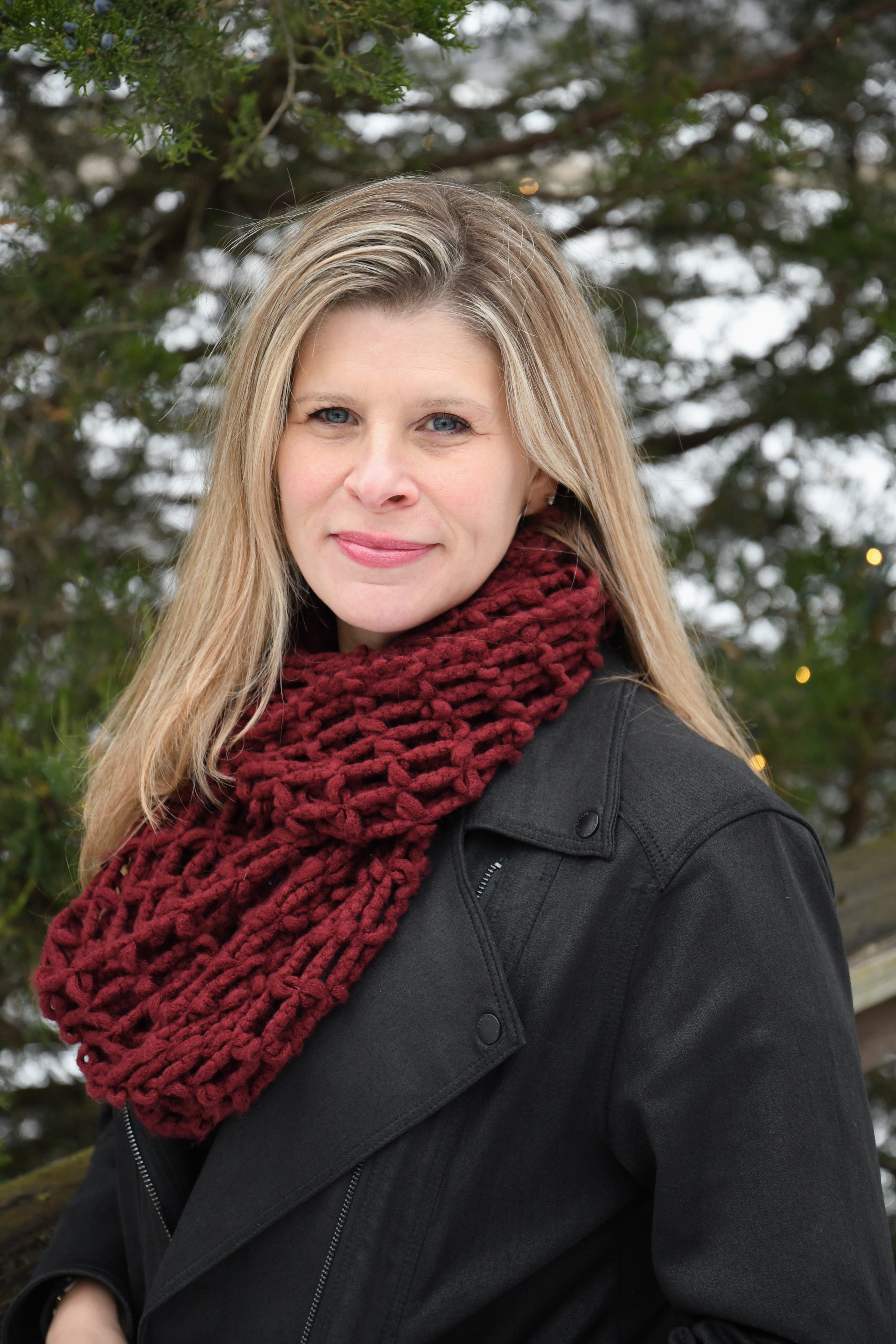
Becca Wallace | President
Getting a grass roots upbringing in charity events and auctions, Becca's background in volunteering helps her understand the needs of everyday and seasoned professional event planners alike. Her passion for using technology to make things easier drives her UI | UX design aesthetic to continually refine Silent Auction Pro. With 15 years of event planning experience and almost 10 years of software and user expereince design behind her, Becca works tirelessly to advance Silent Auction Pro to be simple, sophisticated and user-friendly. Learn more about Becca here.