
Nonprofits & Charities | 14 September 2026
Nonprofit Burnout: What Is It And How Can You Avoid It?
How to spot the warning signs early and keep your team going strong
7 minute read

Nonprofit burnout is the deep, lasting exhaustion that builds when caring people do meaningful work with too few resources for too long. It shows up as tiredness that sleep does not fix, a shorter temper with people you care about, and a slow fading of the spark that brought you to the cause.
It’s important to remember that burnout is not a personal weakness, and it can be prevented. At Silent Auction Pro, we have spent more than twenty years helping fundraising teams run smoother events, and we have seen what keeps good people going and what quietly wears them down. Read on to walk through what nonprofit burnout is, how to catch it early, and what actually helps when passion alone is running low.
What is nonprofit burnout?
Burnout is bigger than one rough week after a big gala. It is a state of chronic stress that has gone unmanaged for so long that it changes how you feel, think, and work. Nonprofit burnout happens when steady emotional weight meets a steady shortage of time, money, and hands.
Most experts describe burnout in three parts. The first is deep exhaustion, the sense that your tank is empty no matter how much you rest. The second is growing distance, where you start to feel numb or cynical about work you once loved. The third is a shrinking sense of impact, the feeling that nothing you do is enough.
Nonprofit teams face special risk. The work is personal, the cause matters, and the budget is almost always tight. When your job is your mission, it is hard to know when to stop. People give and give, skip their own breaks, and tell themselves the next event will be easier. Over months, that pace adds up. Naming it "burnout" instead of "just being tired" is the first real step toward fixing it.
It also helps to know that burnout is different from ordinary stress. Stress tends to ease once the busy season passes. Burnout lingers. It follows you home, sits with you on your day off, and makes the work you believe in feel like a weight. This matters because the people most likely to burn out are often the most dedicated ones: the event chair who answers every email, the volunteer who never says no, the development staffer juggling ten roles, and the board member quietly covering gaps. Their commitment is a gift to the cause, and protecting it is part of protecting the mission.
When passion stops being enough
Passion is what brings people to nonprofit work, and it carries teams through long nights and tight deadlines. But passion is fuel, not a plan. You cannot run a team on heart alone, and asking people to care harder only speeds up burnout.
We see this pattern often. A small group of devoted people takes on far too much because they believe in the mission. For a while, sheer drive covers the gaps. Then a key volunteer steps away, an event goes sideways, or someone simply hits a wall, and the whole effort wobbles. The mission was never the problem. The setup was.
The fix is not less caring. It is more structured. Clear roles, honest limits, shared work, reachable goals, and tools that handle the heavy lifting let passion last for years rather than burning out in a single busy season. Caring deeply and working in a steady, sustainable way are not opposites. The strongest teams do both.
What are the signs of burnout?

Burnout rarely arrives all at once. It creeps in, which is why so many teams miss it until something breaks. The signs of burnout show up both in how people feel and in how the work gets done.
Signs you can feel
On a personal level, watch for warning signs like these:
- Tiredness that rest does not cure
- Dread before meetings or events you used to enjoy
- Trouble focusing or finishing simple tasks
- Feeling short with coworkers, volunteers, or donors
- A quiet sense that your effort no longer matters
One or two hard days are normal. A steady pattern over weeks is the real flag.
Signs you can see across the team
Burnout also leaves marks on the whole group. Staff and volunteer turnover is one of the loudest signals. When people who cared deeply start leaving, the cause is often exhaustion, not a lack of commitment. Event quality is another. If your fundraisers feel more rushed, more error-prone, or flatter than they used to, your team is likely stretched past what it can carry.
These patterns are uncomfortable to face, and they should be. Rising turnover and slipping event quality are not problems to push through. They are signals to slow down and talk. A drop in quality is your team telling you the current pace does not work, and that honest conversation is far cheaper than rebuilding a burned-out team from scratch.
Other team-level signs are easy to miss in the rush. Deadlines slip more often. Small disagreements turn sharp. Thank-you notes and donor follow-ups fall behind. Fewer new volunteers stick around, and the ones who stay quietly take on more than they should. On its own, any of these can be a busy week. Together, and repeated month after month, they paint a clear picture of a team running on fumes.
What causes burnout in nonprofit organizations?
If you want to prevent burnout, it helps to know where it starts. Burnout in nonprofit organizations usually grows from too much work pressed into too little margin.
A few common causes stand out. Chronic underfunding means small teams cover the work of much larger ones. Blurred boundaries make it hard to log off when the job is also a calling. Emotional labor, such as supporting people in crisis or carrying the weight of a serious cause, drains energy that spreadsheets never show. Unclear roles leave everyone feeling responsible for everything. And the event crunch, those frantic final weeks before a big fundraiser, can push an already tired team over the edge.
None of these causes reveal weak people. They point to a workload and a system that asks more than any group can give for long. Once you can see the real causes, you can start to change them.
Always-on communication adds to the strain. Phones buzz with donor questions at dinner, and a quiet evening turns into another work session. Guilt plays a part, too. Many people in this work feel they should never say no, because the cause is bigger than their own comfort. That instinct is generous, and it is also a fast track to exhaustion when no one sets limits. Spotting these causes is not about placing blame. It is about seeing clearly so you can build something steadier.
How to help burnout before it takes hold

The best time to deal with burnout is before it fully sets in. You help burnout by changing the workload and the plan, not by asking people to grind through it. Here is where to start.
Have the honest conversation
Burnout grows in silence. Make space for your team to say out loud, without blame, that the pace is not working. Ask what feels heaviest and listen without rushing to defend the schedule. A team that can speak plainly about stress is a team that can fix it together.
Set goals you can actually reach
Stretch goals can motivate, but goals built on a team's exhaustion will break it. Look hard at what your group can do well with the people and hours you truly have, then set targets to match. A clear goal tracker keeps your team aligned and makes it easier to adjust early, rather than pushing toward a number no one can hit.
Share the load and protect your people
Burnout loves a hero, the one person who quietly does everything. Spread responsibility across more hands, write down who owns what, and build in real backup so no single absence sinks the event. Bringing on and keeping the right people matters too, and a thoughtful approach to building a strong fundraising team does more to prevent turnover than any pep talk.
Make rest part of the plan
Rest is what makes the next push possible, so build it into the calendar rather than saving it for after. Protect time off following a big event, keep a few quiet weeks between major pushes, and treat recovery as part of the work itself. A team that rests well shows up stronger for the cause.
Lean on the help around you
You do not have to carry every event alone. Built-in checklists, help videos, and a quick call to someone who has run hundreds of events can turn a panicked week into a manageable one. Asking for help is not a sign of a struggling organization. It is how steady, healthy teams stay that way, season after season.
Let the right tools carry some of the weight
A surprising amount of nonprofit burnout comes from busywork: chasing spreadsheets, retyping guest lists, sorting payments by hand, and scrambling to remember the next step. The right tools give your team back time and calm so their energy goes to the mission instead of the mess.
This is where good software earns its place. Our all-in-one event platform handles auctions, tickets, seating, donations, communications, and reporting in one spot, so there is no patchwork of programs to juggle. Built-in event checklists keep organizers on track, whether the event is a month away or a day away, which lifts a real load off the volunteer trying to hold every detail in their head. And because every customer gets free support and a personal event coach, no one has to figure it out alone at midnight before the big night.
The time savings add up in small, daily ways. Advance registration and guest self-checkout cut the chaos at the door. Automatic outbid alerts keep bidding lively without a volunteer having to chase people around the room. Scheduled emails and texts go out on their own, so no one is up late sending reminders by hand. Each piece removes a little bit of the scramble, and together they give your team hours back to spend on donors and the cause.
Tools will not replace passionate people, and they should not try to. What they can do is remove the grind that wears those people down, so the work stays joyful and the team stays whole.
Plan your next event with less stress

Burnout does not have to be the price of doing good. With honest conversations, reachable goals, shared responsibility, real rest, and tools that lift the busywork, your team can pour its heart into the cause and still have something left for tomorrow. Your mission needs you healthy and here for the long run, not running on empty.
When you are ready to see how a single platform can take pressure off your next fundraiser, request a free demo of Silent Auction Pro, and we will walk you through how it works for your team. Less scramble, more impact, and a little more breathing room for the people who make it all happen.
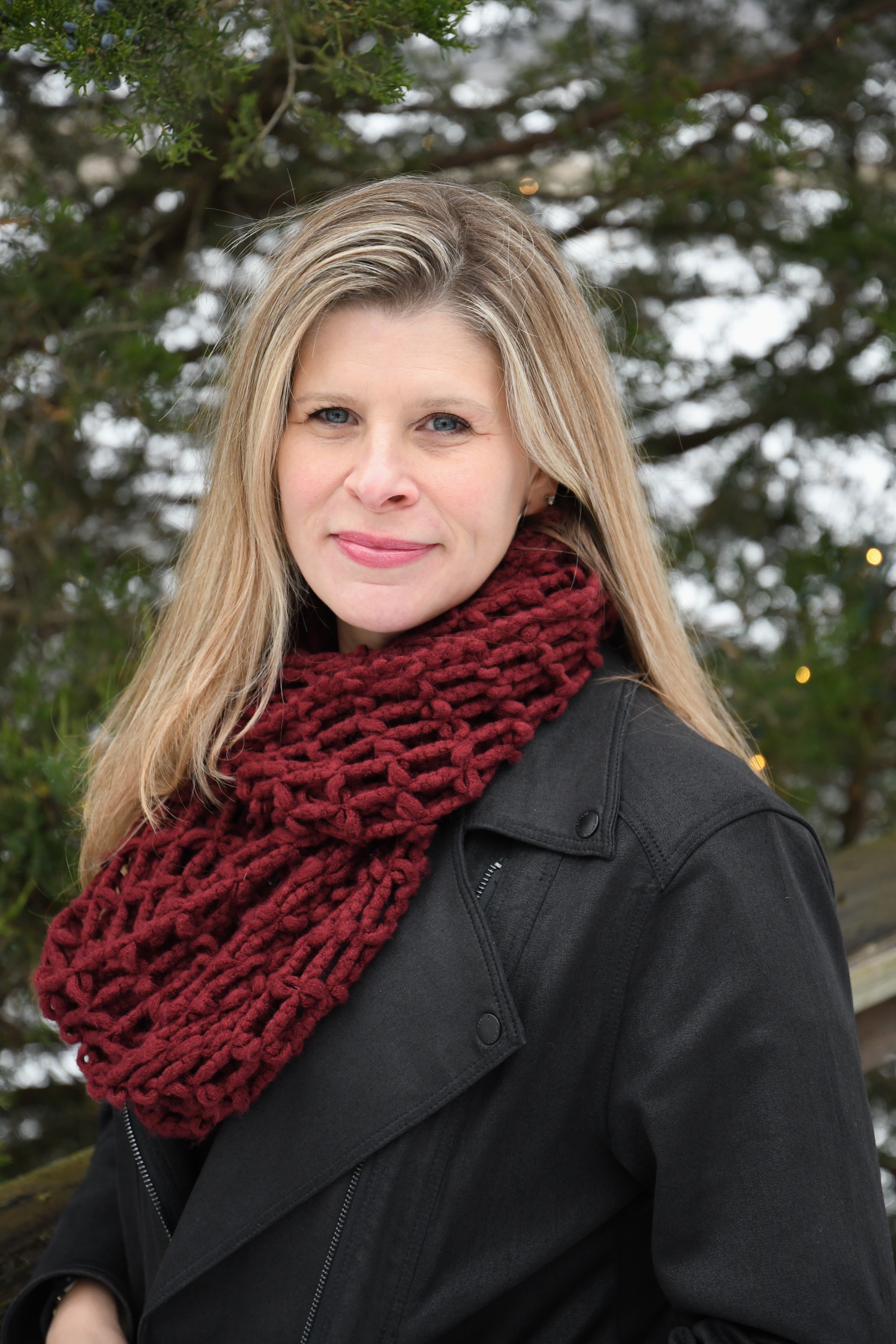
Becca Wallace | President
Getting a grass roots upbringing in charity events and auctions, Becca's background in volunteering helps her understand the needs of everyday and seasoned professional event planners alike. Her passion for using technology to make things easier drives her UI | UX design aesthetic to continually refine Silent Auction Pro. With 15 years of event planning experience and almost 10 years of software and user expereince design behind her, Becca works tirelessly to advance Silent Auction Pro to be simple, sophisticated and user-friendly. Learn more about Becca here.